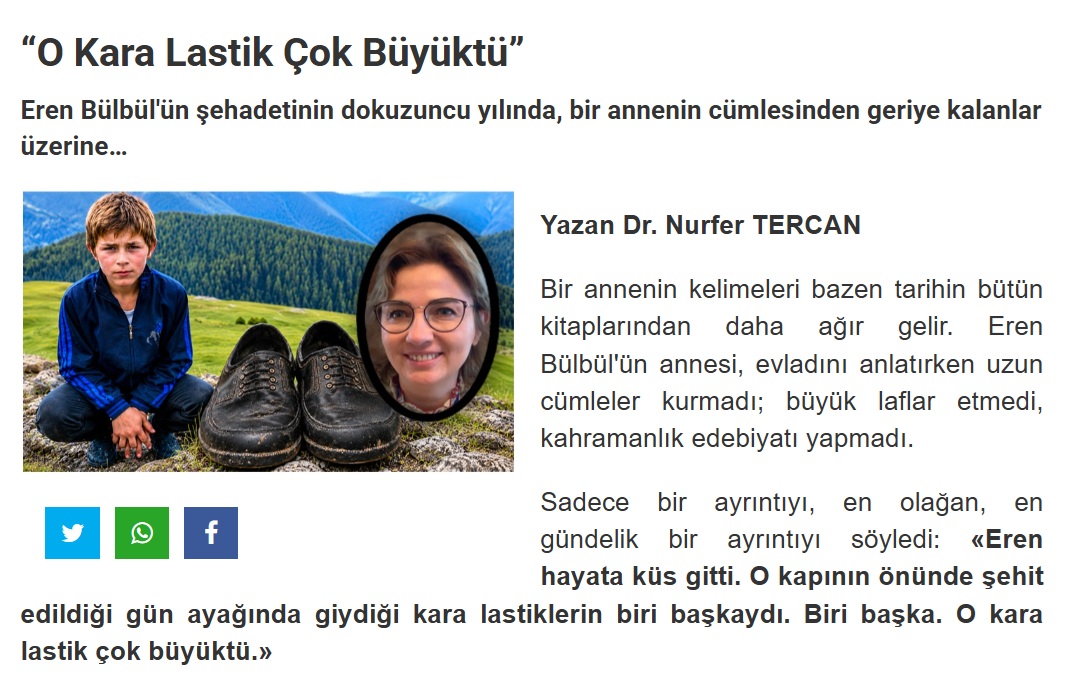
On the ninth anniversary of Eren Bülbül’s martyrdom, on what remains of a mother’s sentence…
By Dr. Nurfer TERCAN
A mother’s words sometimes weigh more than all the books of history. When Eren Bülbül’s mother spoke of her child, she did not build long sentences; she made no grand pronouncements, indulged in no rhetoric of heroism.
She mentioned only one detail, the most ordinary, the most everyday of details: «Eren left this life with his heart turned away from it. On the day he was martyred in front of that door, one of the black rubber shoes on his feet was different. One was different. That black rubber shoe was too big.»
One is compelled to stop and think before this sentence. For the whole story of a child whom a nation has spoken of for nine years, for whom it has sung laments and in whose name it has built schools, parks and folk songs, is in fact hidden in the two unmatched rubber shoes on his feet. One was different. And big.
Philosophy has, more often than not, defined the human being through «measure». When ancient thought said «man is the measure of all things», it was implying that the life a person cuts out for himself must also have a measure. Yet the rubber shoe on Eren’s foot was not made for him; it was too big. In other words, this world had not been cut to his measure.
The foot of a fifteen-year-old child was stepping not into a life of his own size, but onto a destiny far larger than himself. A child’s knee-high body had been forced to carry the burden of an entire country. That rubber shoe was big because life had not been too small for him; on the contrary, life had always hung loose on him; he was left no time to grow, to fill the inside of that shoe.
Think about it: childhood is the only period in which a person’s shoes are too big. Mothers buy their children shoes a size too large, saying «he will grow anyway, his foot will fit». A big shoe is a hope; it is a promissory note written out to the time to come. It is a silent contract that the child will one day fill that shoe, that the gap will close with time. Perhaps that big rubber shoe on Eren’s foot was such a promise too. But that promise could not be kept. The foot never filled the shoe. The gap remained a gap. And now an entire country is trying to fill that gap; yet even the grief of a nation is not enough to fill the small gap left by a child’s foot.
«One was different», says the mother. This is the quietest, the most dignified description of poverty.
Poverty does not scream; most of the time it speaks like this, in a pair of rubber shoes without a mate, in two odd shoes that do not match. On the steep slopes of the Black Sea, at the foot of the mountain, two rubber shoes unlike each other on a child’s feet… This, too, is one face of this country. Stories of heroism are always shot in a bright light, but the truth is most often hidden on a muddy footpath, in two rubber shoes that do not match. Eren walked to his destiny in those unmatched rubber shoes. And is that not exactly what makes him great? To come out of small things and become a great name.
The mother says one more thing, the heaviest of all: «He left this life with his heart turned away from it.» These few words are like a note dropped upon the conscience of an entire age. To leave estranged… That is, to leave without having made peace, without having settled accounts, without having received one’s due. That a child should have seen enough to turn his heart away from life is, in truth, the name of what we, those who remain behind, still owe him. What did we remain in debt to him for? Perhaps a peaceful childhood. Perhaps a pair of shoes that fit his feet. Perhaps the shade not of the mountain, but of a schoolyard. The maturity of a society is measured by its ability to raise its children without estranging them from life. If Eren left estranged, each of us has a share in that estrangement.
Nine years have passed. Every 11 August his name is remembered anew, prayers are recited at his graveside, and people say «we have not forgotten». And not forgetting is a fine thing; remembering is the most human reflex of a nation. But remembering, too, must have a measure. To place Eren merely inside a symbol, a flag, a slogan, and then feel at ease is the easy way out. To truly remember him is to remember those rubber shoes of which «one was different». If in this country today there are still children who cannot wear a matching pair of rubber shoes, children who may yet turn their hearts away from life, then the most genuine way of commemorating Eren is to try to build a life that fits those children’s feet. Singing laments is easy; what is truly hard is to build a country in which no new laments will be sung.
Heroes do not live in marble statues, but just like this, in a pair of unmatched rubber shoes spilling from their mothers’ lips.
That black rubber shoe was too big. Perhaps that is why none of our feet sits quite right in that gap. Perhaps that gap stands there not to be filled, but for us to bow before it and feel shame, to remember, and to give our word. The print of a child’s foot, right in the middle of a nation’s conscience.
May his soul rejoice, may his abode be paradise.
And may no child ever again leave this life with a heart turned away from it.
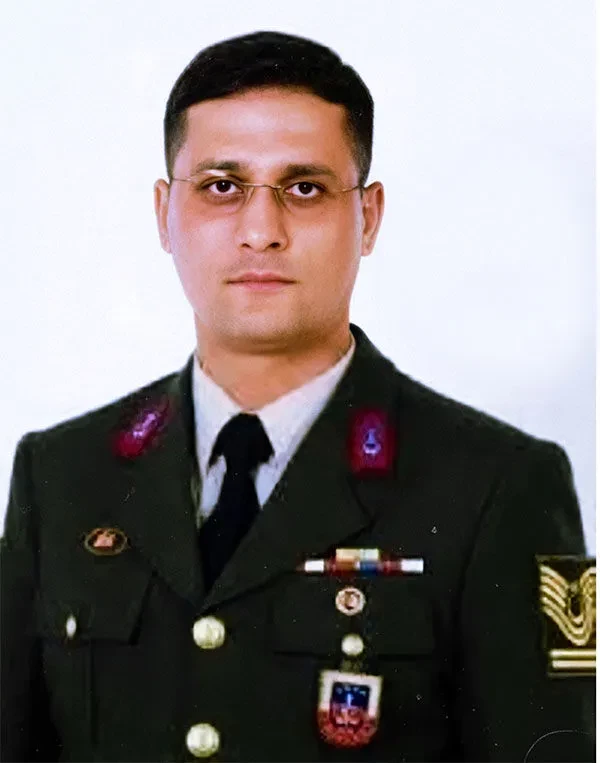
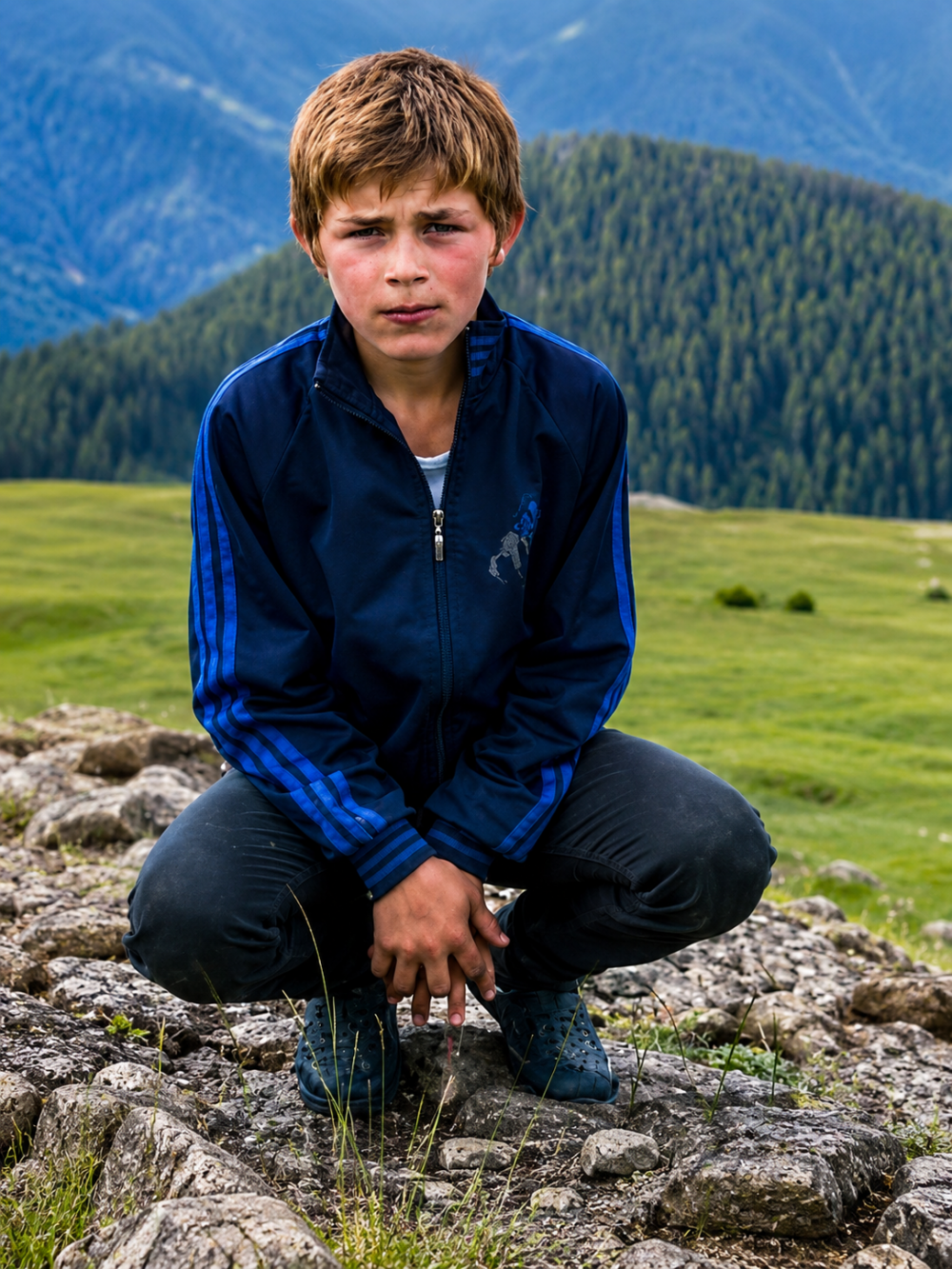
In memory of Eren Bülbül (2002–2017) and Sergeant Major Ferhat Gedik (1976–2017)
https://www.5gvirusnews.com/yazarlar/o-kara-lastik-cok-buyuktu-h1935.html
Translated from the Turkish original.